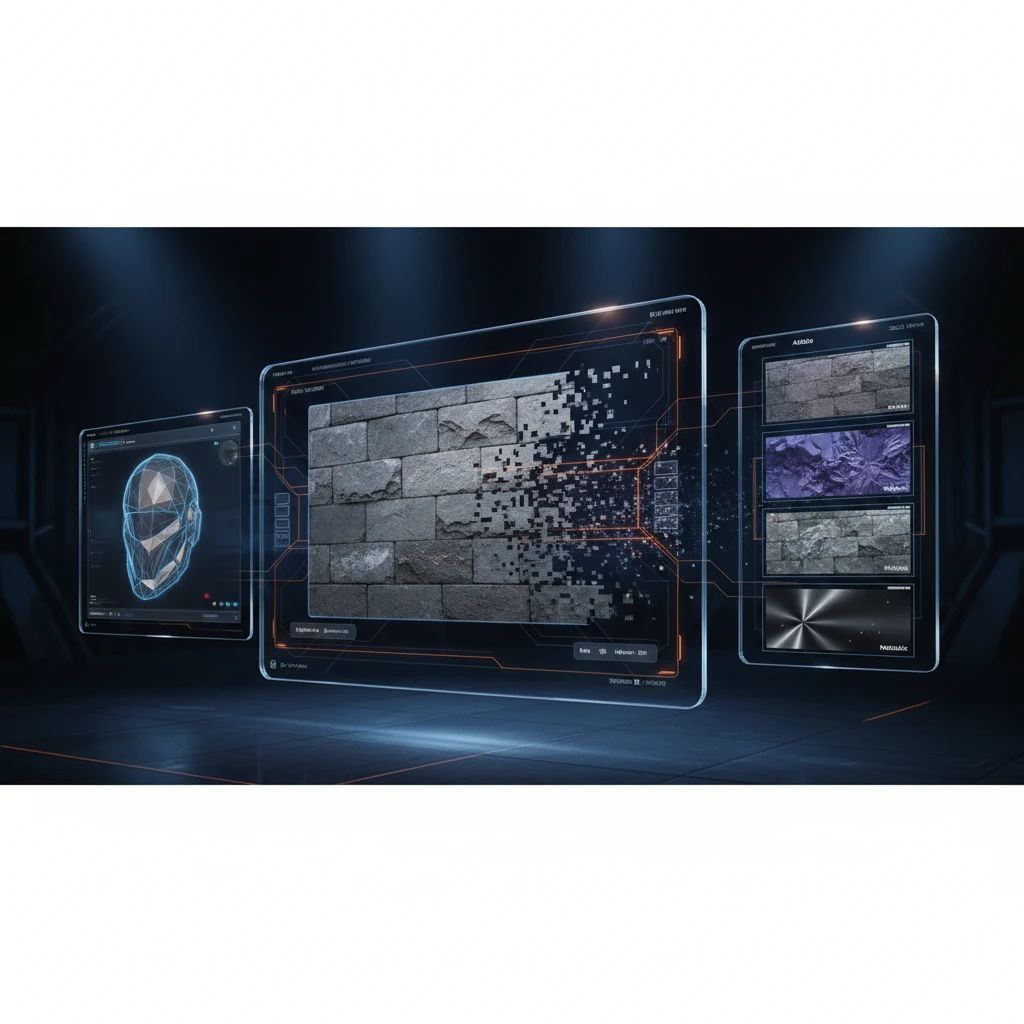
Game development demands efficiency, especially when it comes to asset creation. Crafting high-quality textures can be a time-consuming bottleneck, often requiring specialized artistic skills and iterative manual work. This is where the power of image-to-texture workflows becomes invaluable, transforming simple source images into production-ready materials with remarkable speed and consistency.
PLAYTEX empowers creators to streamline this process, leveraging advanced algorithms and AI to convert any image into a comprehensive set of PBR texture maps. This article will explore how PLAYTEX's image-to-texture capabilities accelerate your asset pipeline, reduce development costs, and enable artists to focus on creative iteration rather than repetitive tasks.
The Challenge of Texture Creation
Traditional texture workflows involve painting, sculpting, or meticulously adjusting various maps (Albedo, Normal, Roughness, Metallic, Height, Ambient Occlusion) to achieve a desired look. This manual process is often slow, prone to inconsistencies, and requires a deep understanding of PBR principles. For indie developers and large studios alike, the sheer volume of assets needed for modern games can quickly overwhelm production schedules, leading to compromises in quality or missed deadlines.
What is Image-to-Texture?
Image-to-texture is a workflow that automates the generation of various material maps from a single input image. Instead of creating each map from scratch, artists can feed a photograph, concept art, or even a simple sketch into a dedicated tool, which then intelligently derives the necessary PBR components. This technology dramatically reduces the manual effort involved, providing a strong foundation for further artistic refinement.
PLAYTEX's Image-to-Texture Workflow
PLAYTEX simplifies the complex task of PBR material generation. Our platform is designed to take your source images and, through a combination of sophisticated algorithms and AI, produce high-fidelity PBR texture sets that are ready for immediate use in your game engine. The process is intuitive, allowing artists to achieve professional results without extensive technical expertise.
Inputting Your Source Images
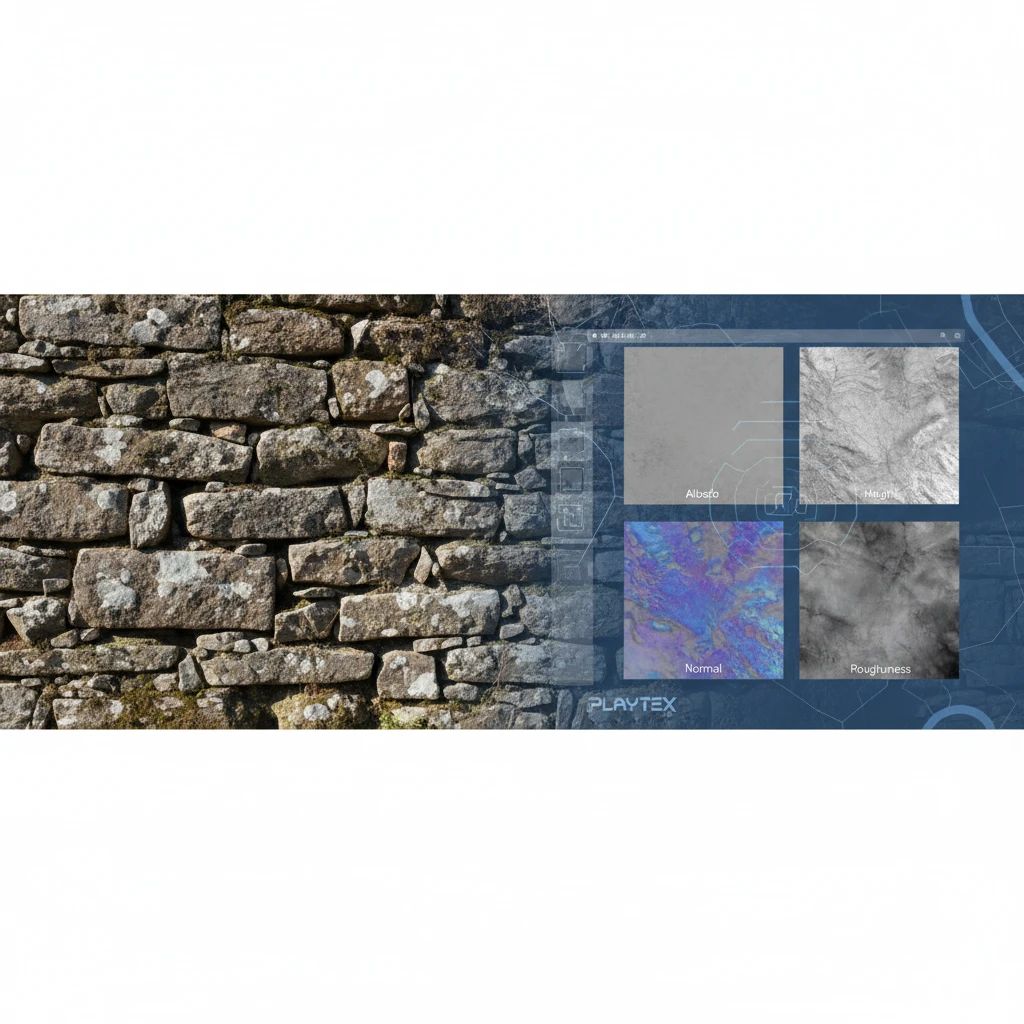
The journey begins by uploading your chosen image to PLAYTEX. This could be a scan of a real-world surface, a detailed photograph, or even a stylized painting. PLAYTEX supports various image formats, ensuring flexibility for your creative assets. Our system is optimized to analyze the visual data within your image, identifying key characteristics like surface detail, color variations, and material properties.
AI-Powered Map Generation
Once uploaded, PLAYTEX's AI engine takes over. It intelligently analyzes the input image to generate a full suite of PBR maps: Albedo, Normal, Roughness, Metallic, Ambient Occlusion, and Height. This process is not a simple filter; it leverages machine learning models trained on vast datasets of real-world materials to accurately infer surface properties, ensuring physically accurate and visually compelling outputs. You can learn more about our advanced AI texture generation capabilities.
Fine-Tuning and Iteration
While the AI provides an excellent starting point, PLAYTEX also offers robust tools for fine-tuning. Artists can adjust individual map parameters, refine details, and ensure the material perfectly matches their artistic vision. The integrated 3D sandbox allows for real-time previewing of your material under various lighting conditions, enabling rapid iteration and confident decision-making.
Benefits for Game Developers
Integrating PLAYTEX's image-to-texture workflow into your pipeline offers several tangible advantages:
- Accelerated Production: Drastically cut down the time spent on texture creation, allowing artists to focus on higher-level design and iteration.
- Consistent Quality: Ensure a uniform standard of PBR materials across your project, reducing visual discrepancies and maintaining a cohesive art style.
- Cost Efficiency: Reduce reliance on expensive manual labor and specialized tools, optimizing your budget for other development areas.
- Empowered Artists: Free artists from repetitive tasks, enabling them to explore more creative options and experiment with different material looks.
- Rapid Prototyping: Quickly generate placeholder or final textures for new environments and assets, speeding up the prototyping phase.
Practical Use Cases
The versatility of image-to-texture extends across various game development scenarios:
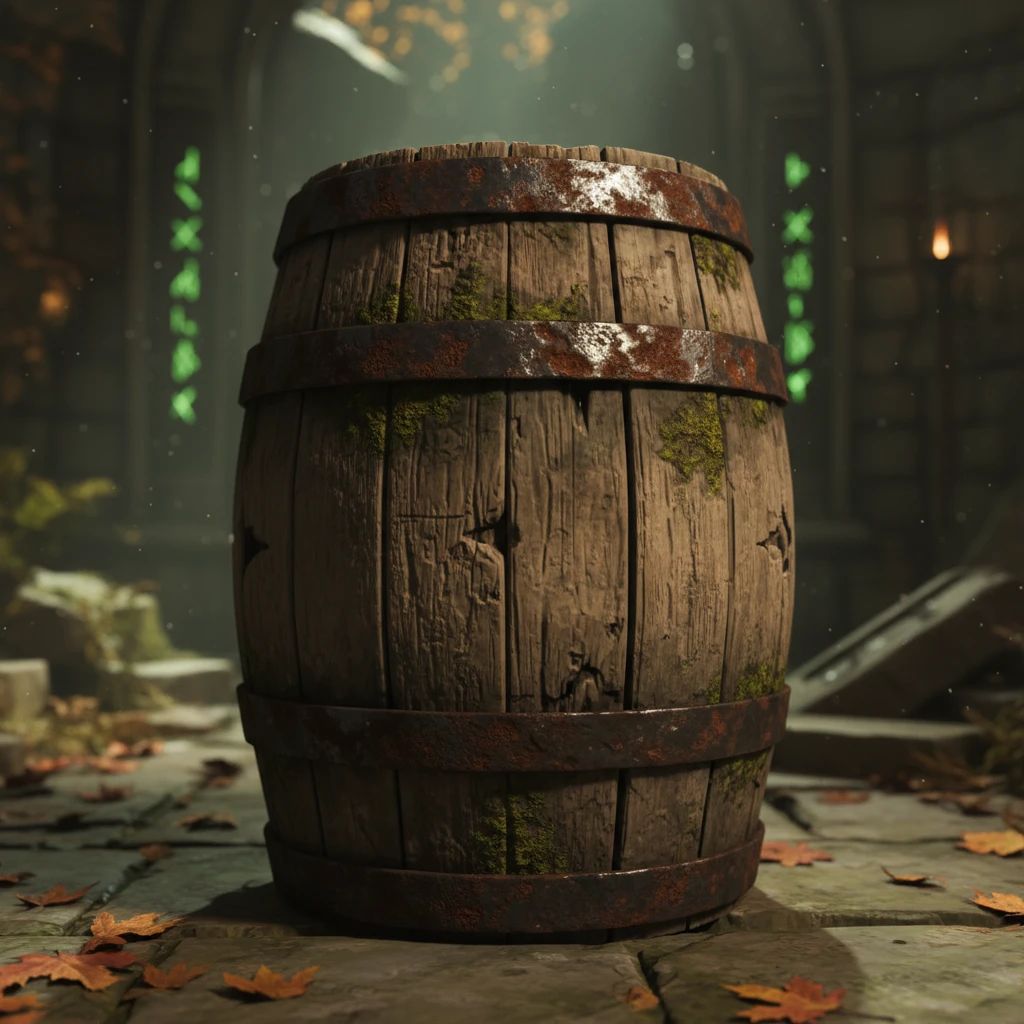
- Photogrammetry Enhancement: Convert raw photogrammetry captures into clean, engine-ready PBR materials, filling in missing details and generating consistent maps.
- Concept Art to 3D: Transform 2D concept art or mood boards directly into usable textures, bridging the gap between artistic vision and 3D implementation.
- Real-World Scans: Utilize photographs of real-world surfaces – be it a brick wall, rusted metal, or natural terrain – to instantly create realistic game materials.
- Iterative Design: Experiment with different material variations for a single asset by simply swapping out source images, facilitating rapid artistic iteration.
Integrating with Your Pipeline
PLAYTEX is built with engine compatibility in mind. Once your PBR material is finalized, you can export the full set of maps in industry-standard formats, ready for direct import into popular game engines like Unreal Engine, Unity, and Godot. Our outputs are optimized for real-time rendering, ensuring your assets look their best without compromising performance. We also offer advanced features like deterministic PBR map generation to ensure consistency across your projects.
Beyond Basic Conversion: Advanced Features
PLAYTEX goes beyond simple image-to-texture conversion. Our platform offers a suite of advanced features designed to enhance your entire asset pipeline:
- Asset Binding: Seamlessly bind generated textures to your 3D models within the platform, ensuring correct UV mapping and material application. This streamlines the process of getting assets ready for engine integration.
- Collaborative Workflows: Share materials and projects with your team, gather feedback, and iterate together in a centralized environment.
- 3D Sandbox: Test and visualize your materials on various primitive shapes or custom models directly within PLAYTEX, under different lighting conditions and environments.
- HDRI Generation: Create custom High Dynamic Range Images to light your scenes, further enhancing the realism and mood of your assets.
For teams, PLAYTEX offers robust asset binding features that ensure your textures are always linked correctly to your 3D models, reducing manual errors and saving valuable time.
Conclusion
The ability to transform a single image into a complete, high-quality PBR material set is a game-changer for asset creation. PLAYTEX provides a powerful, intuitive, and AI-driven solution that significantly accelerates your workflow, maintains artistic consistency, and frees your team to innovate. By embracing image-to-texture, you can deliver stunning visuals more efficiently, bringing your creative visions to life faster than ever before. Explore how PLAYTEX can revolutionize your game development pipeline today.